Gospel-Shaped Identity: The Foundation for Whole-Life Health (for Midlife Men)
You can have the perfect plan. The right workouts. The right meals. The right schedule. And still feel like you're running on empty.
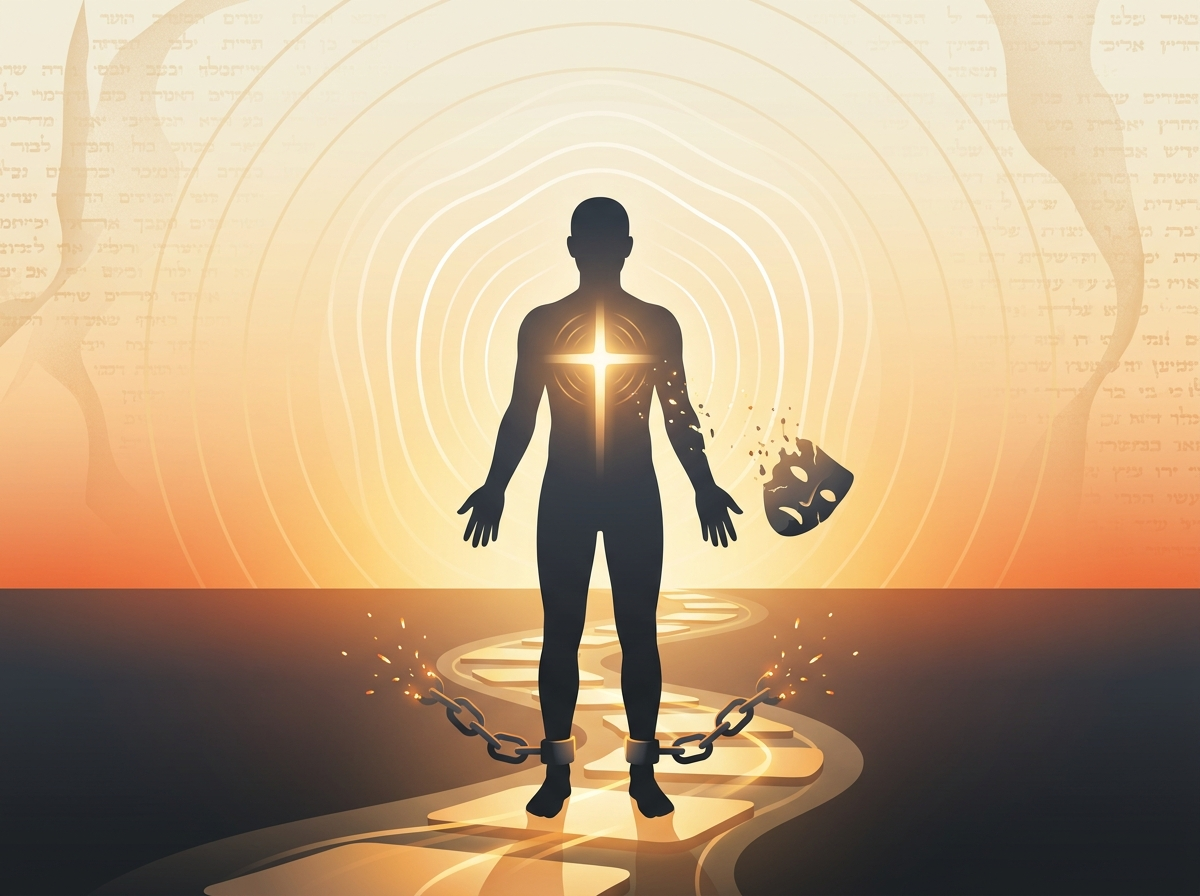
Because health isn't built on hacks. It's built on a foundation.
And for the Christian man, that foundation is your spiritual life—specifically, your identity in Christ.
If you're a midlife man, you've probably been carrying more than you admit.
You're responsible.
You provide.
You lead.
And somewhere along the way, you learned to push through.
But here's what I see over and over with men in their 40s and 50s:
- stress becomes normal
- sleep becomes optional
- workouts become inconsistent
- your body starts sending signals you can't ignore
- your spiritual life gets squeezed into the leftovers
You're still functioning.
But you're not fully alive.
The root issue most high-achievers miss
If you're a driven professional, you already know how to execute.
What you may not realize is this:
When your identity is anchored in performance, your body eventually pays the bill.
- You grind harder.
- You rest less.
- You carry stress like it's normal.
- You use food, work, scrolling, or one more project to numb what your soul is trying to tell you.
That's not a willpower problem.
That's a foundation problem.
What a Gospel-shaped identity changes
A Gospel-shaped identity is not “I'm doing better.”
It's “I'm already loved.”
It's the shift from:
- Proving → to receiving
- Striving → to abiding
- Fear-driven discipline → to faithful stewardship
When you embrace your identity in Christ, you stop using your body as a tool for approval.
You start treating it as a gift to steward.
And that changes everything.
Your spiritual life doesn't stay spiritual
Your spiritual life doesn't sit in a separate compartment.
It shapes the way you:
- handle pressure at work
- respond when you feel disrespected or unseen
- lead your family when you're tired
- show up in your marriage when the spark feels distant
- recover from setbacks without spiraling
- care for your body instead of punishing it
When your inner world is unstable, your outer world follows.
But when your inner world is rooted, your habits become sustainable.
Not perfect.
Sustainable.
Identity comes before habits
Most men try to change their life by changing their behavior.
But lasting change runs in the opposite direction:
Identity → Beliefs → Choices → Habits → Outcomes
If you skip identity, habits become a temporary sprint.
If identity is solid, habits become a steady walk.
That's why the framing matters:
Rediscover your true identity before rebuilding how you live.
What abiding looks like in real life
Abiding isn't passive.
It's anchored.
Here are a few practical markers of a Gospel-shaped identity showing up in your health:
- You train because you value strength—not because you hate your body.
- You eat with self-control—not because you're afraid.
- You rest without guilt—because your worth is settled.
- You repent quickly—because you don't need to defend yourself.
- You ask for help—because humility is strength.
This is where whole-life health starts.
A simple next step (no overwhelm)
If you want to rebuild your health from the inside out, start here:
- Name the identity you've been living from (performer, provider, fixer, achiever).
- Replace it with truth (beloved son, redeemed, called, secure in Christ).
- Build your habits from that place—one decision at a time.
And yes—that includes your training.
At a minimum, I recommend strength training 3 days per week.
Optimum for most men? 6 days per week (with smart programming and recovery).
Ready to rebuild from the foundation?
If you're a Christian man in midlife who's ready to reclaim energy, strength, and purpose—without living in guilt or grind—start with a simple next step.
Visit whollyalive.sintra.site and book your free 30-minute consultation.
We'll get clear on what's draining you.
Then we'll build a plan that fits your life.
#MidlifeReinvention #ExecutiveWellness #WhollyAlive
Book your free 30-minute consultation
No guilt. No grind. Just clarity—and a plan you can actually sustain.